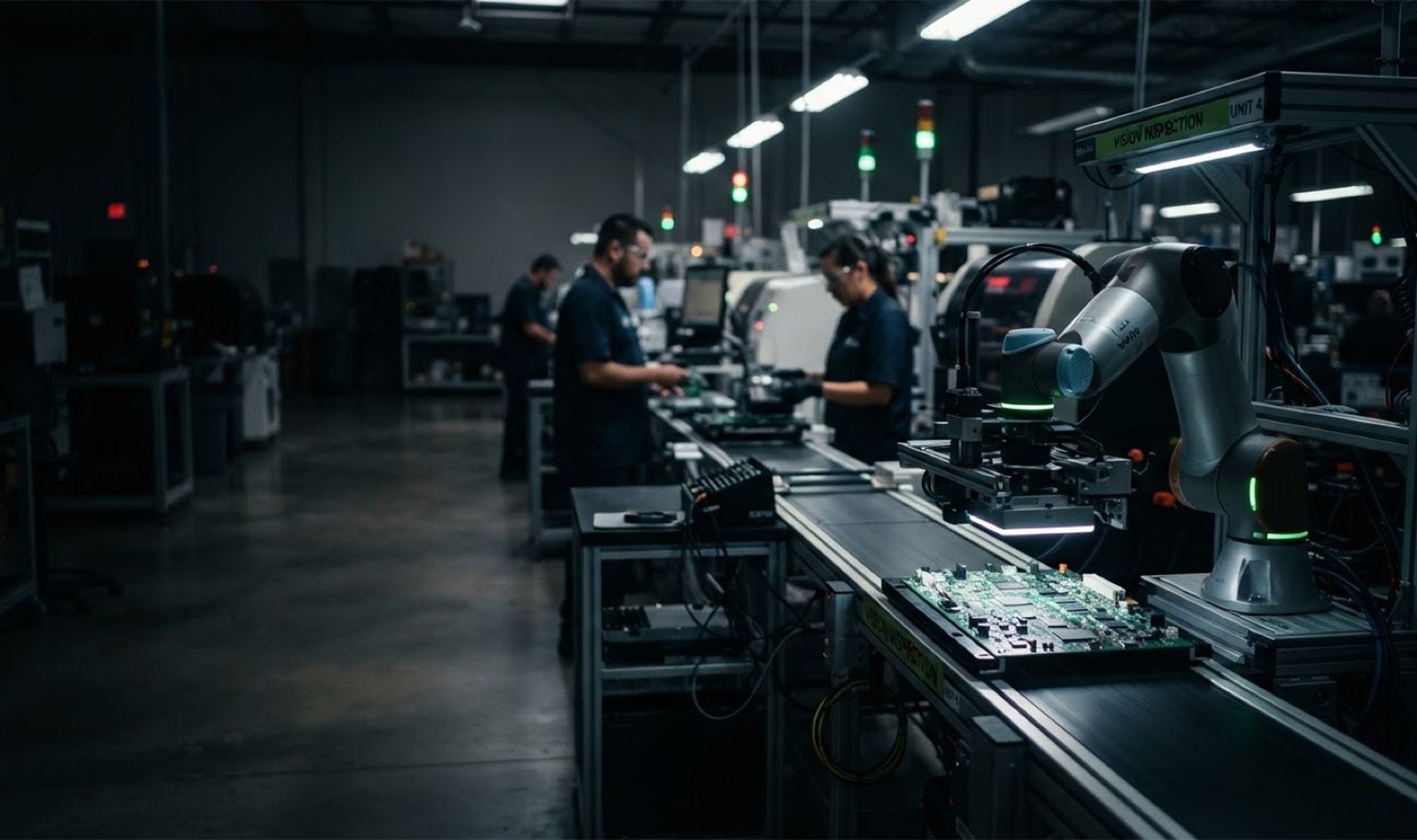
Factory-ready AI for high-mix, low-volume production
Transformative high-mix AI visual inspection
Reliable, cost-efficient inspection automation for high-mix, low-volume production. Our AI-based technology solution delivers high coverage right after implementation and fast introduction of new products.
High coverage at go-live
Right after implementation
New products in minutes
Similar products and variants, no retraining
Standard industrial cameras
Low capex as you scale
The inspection challenge
Your product mix changes. Inspection has to keep up.
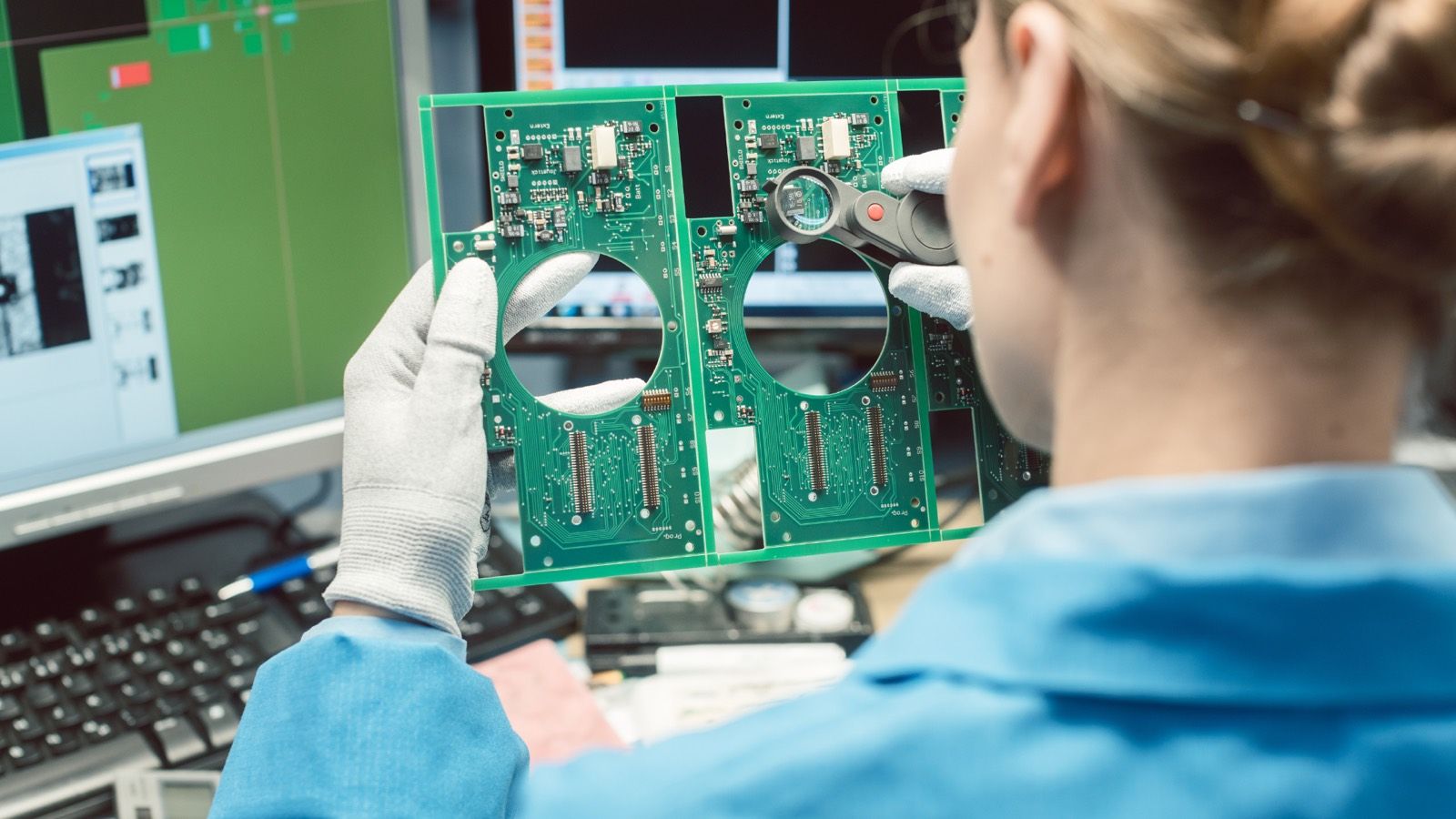
Short runs and frequent product changes put pressure on your quality team. Conventional automation is too costly and rigid at high mix, so manual inspection often remains the default.
- 01
More setup with every product change
Rule-based systems need reprogramming for each new product or variant, and traditional machine learning needs new data and retraining. When runs are short, that work adds up fast.
- 02
A long wait to get inspection running
Conventional systems can take 6+ months of data collection, customization, and integration, and each new line costs almost as much again. Budget is spent before ROI is proven.
- 03
Missed defects and unnecessary rechecks
Traditional inspection methods catch only the defects they were programmed or trained for. New defect types slip through, while false alarms send good parts back for review. Both erode trust in inspection.
The Tekai solution
AI Visual Inspection that Grows with your Production
We combine our own computer-vision models, image processing and foundation models in a unique way: reliable inspection with high coverage right after implementation, on standard industrial cameras, at a cost that works for high-mix low-volume business.
01High coverage from day one
Cover hundreds of products right after implementation, including simultaneous variants, with ease and coverage for your process.
02New products in minutes
Your factory team adds similar products and variants with built-in tools in minutes, without model retraining, within the implemented process.
03Known and unknown defects
The AI flags anomalies it has not seen before, not only programmed defect types, so new defects are caught before they reach your customers.
04Scale at low capex
Runs on standard industrial cameras, with no proprietary hardware. Replicate to similar lines in weeks and expand from line to factory.
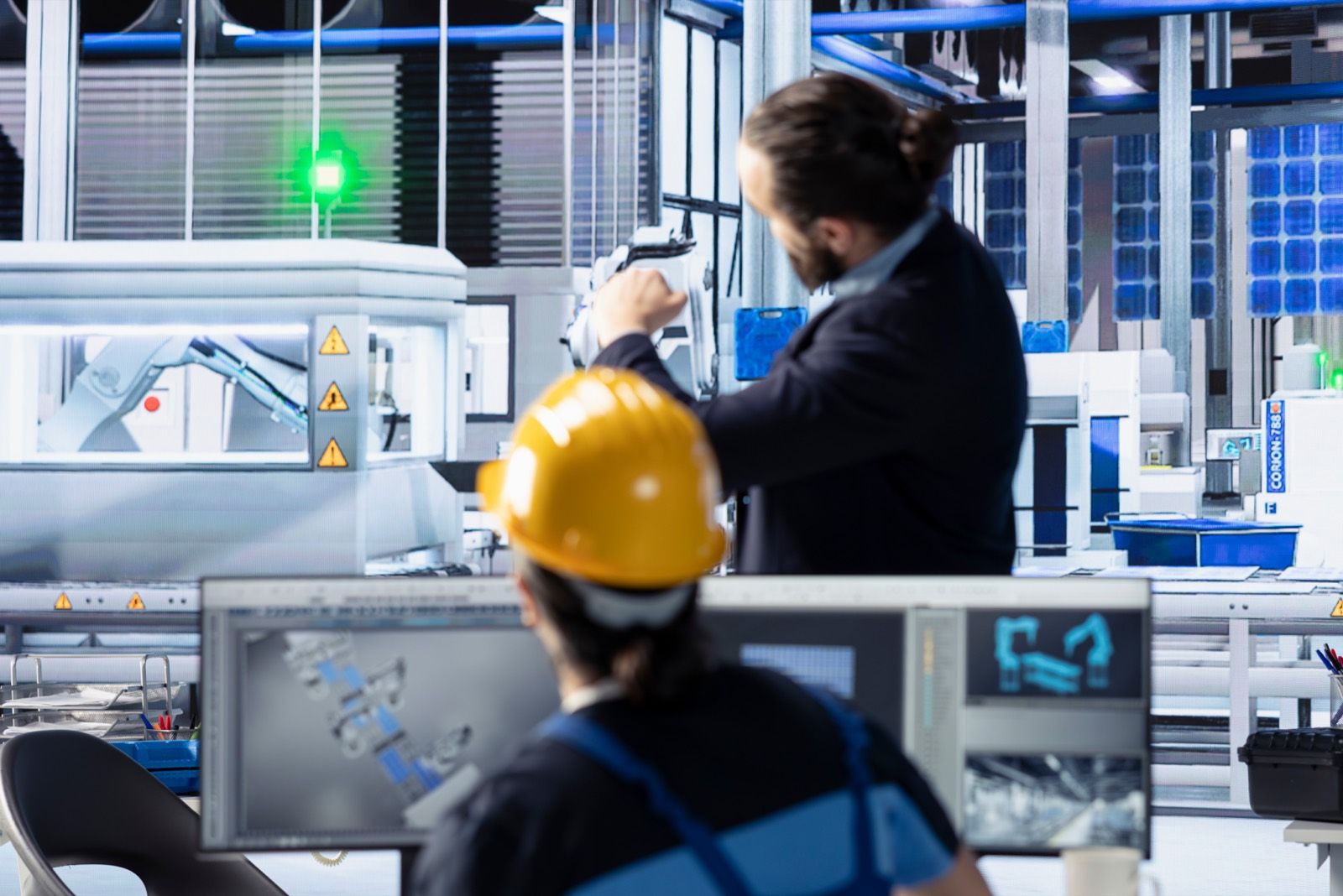
From goals to production in 1–3 months
How it works
1. Define your goals
We agree on your goals and review your line, equipment, and production constraints.
2. Plan image capture
We set up image collection to provide the data needed for AI implementation.
3. Implement and validate
We implement the AI and inspection logic, then you validate the solution in a production-like environment.
4. Deploy to your line
We deploy the validated solution and integrate it with your systems and workflows.
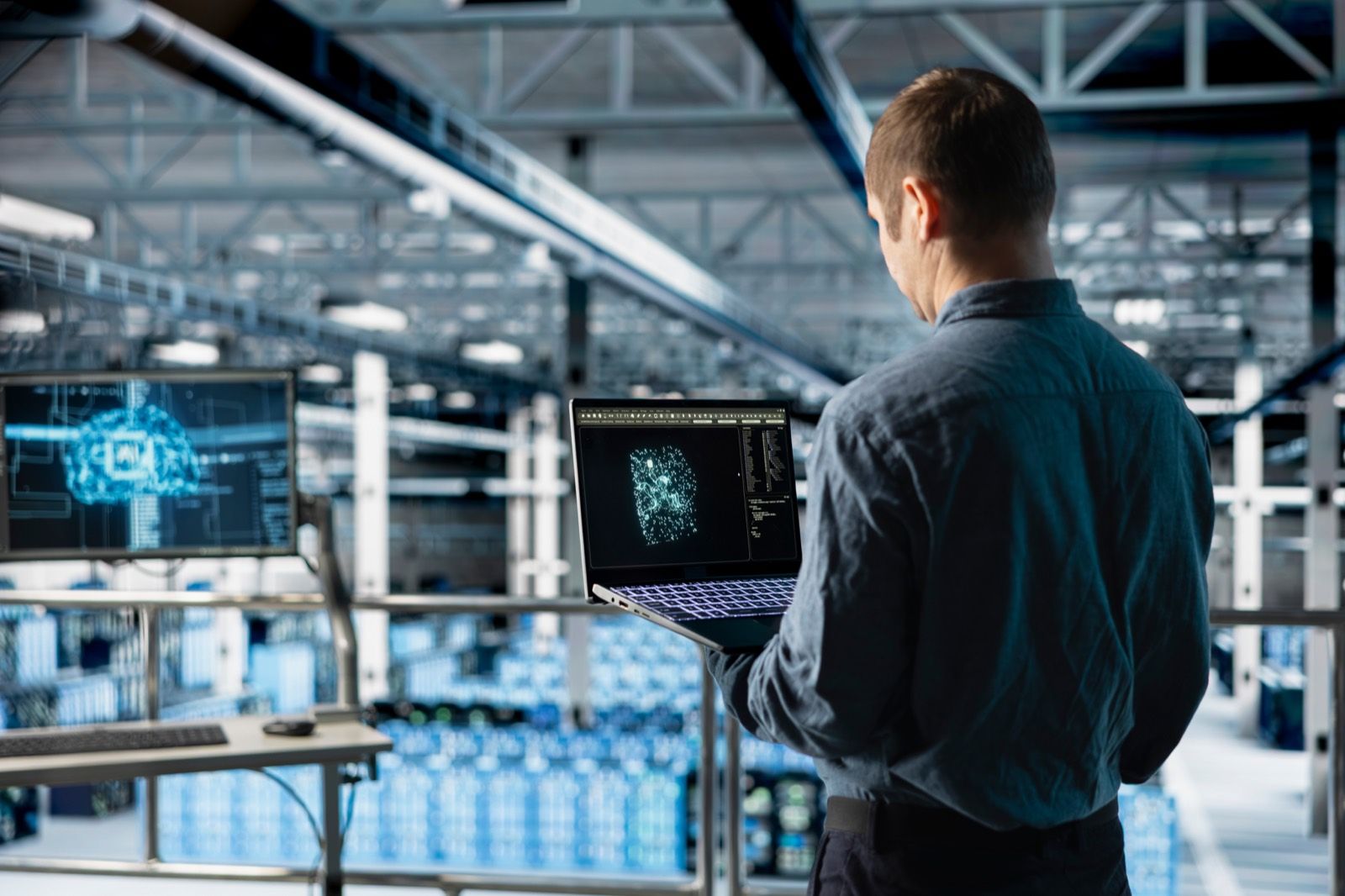
Your team’s role
Your team contributes process knowledge and provides products and data for implementation. You also take part in testing and validate the solution before production use.
Support as your production changes
When you expand, similar lines can be replicated in weeks, reusing what you have built. New processes need their own data collection, implementation, and validation.
On-the-line
See what needs your attention
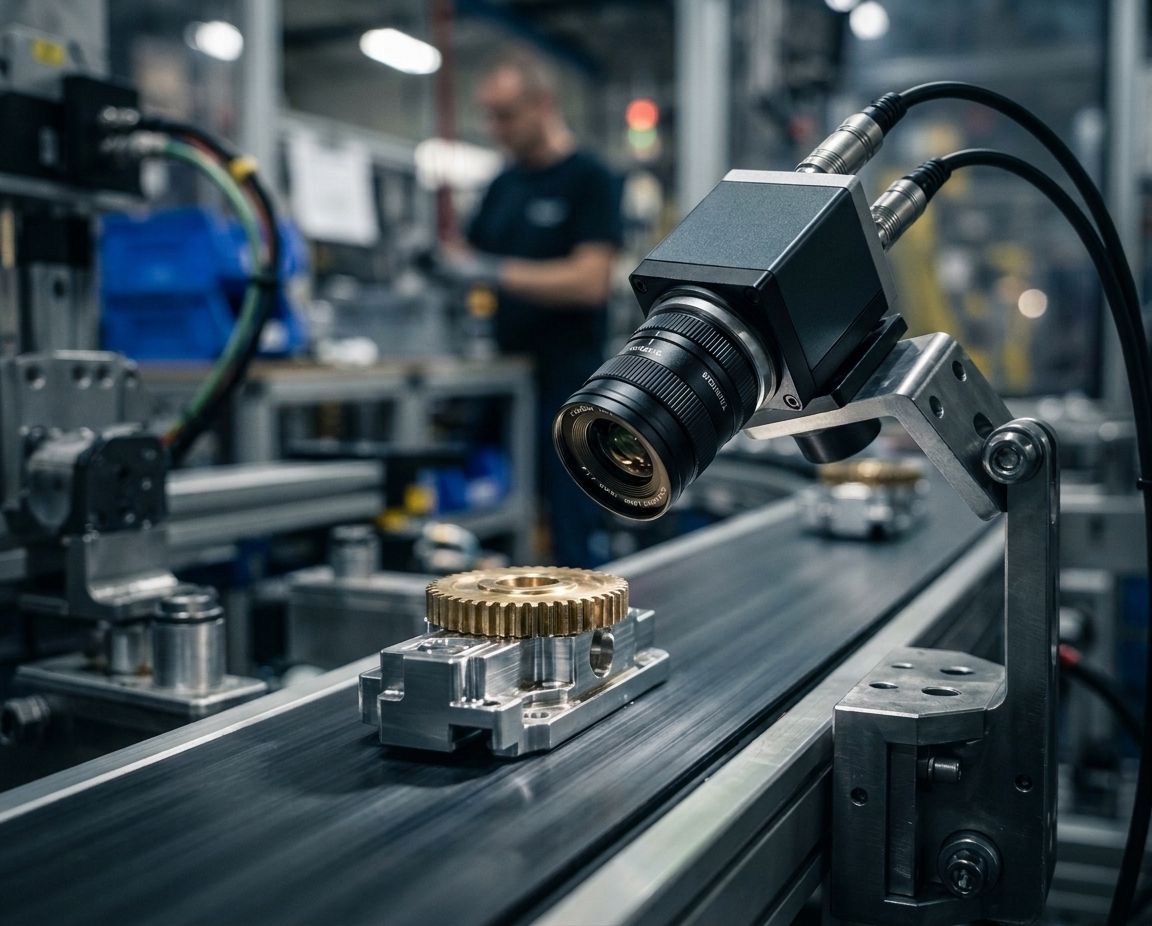
In electronics through-hole technology (THT) assembly, cameras capture images before or after soldering. Your operators can review flagged anomalies, while saved defect images and locations give your quality team guidance for next steps.
We plan camera coverage and the operator workflow around your product and process.
Industries
Visual Inspection for the Products you Make
From assembly quality to welding seams and packaging labels, inspection requirements vary by process. We work with your team to assess the task and define the right coverage.
Featured industry
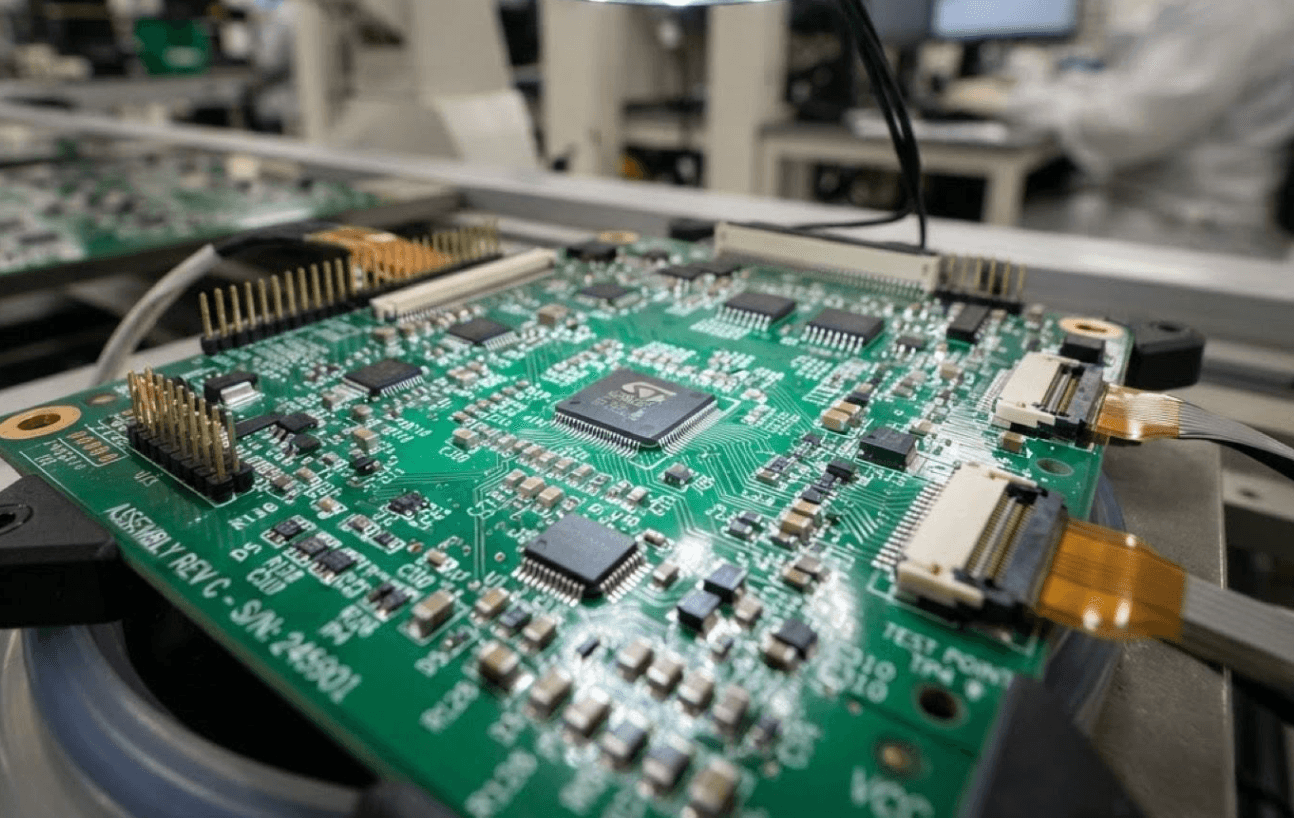
01 / Electronics
Electronics manufacturing
Assembly processes including THT processes, coating, box-build and mechanical
Automotive
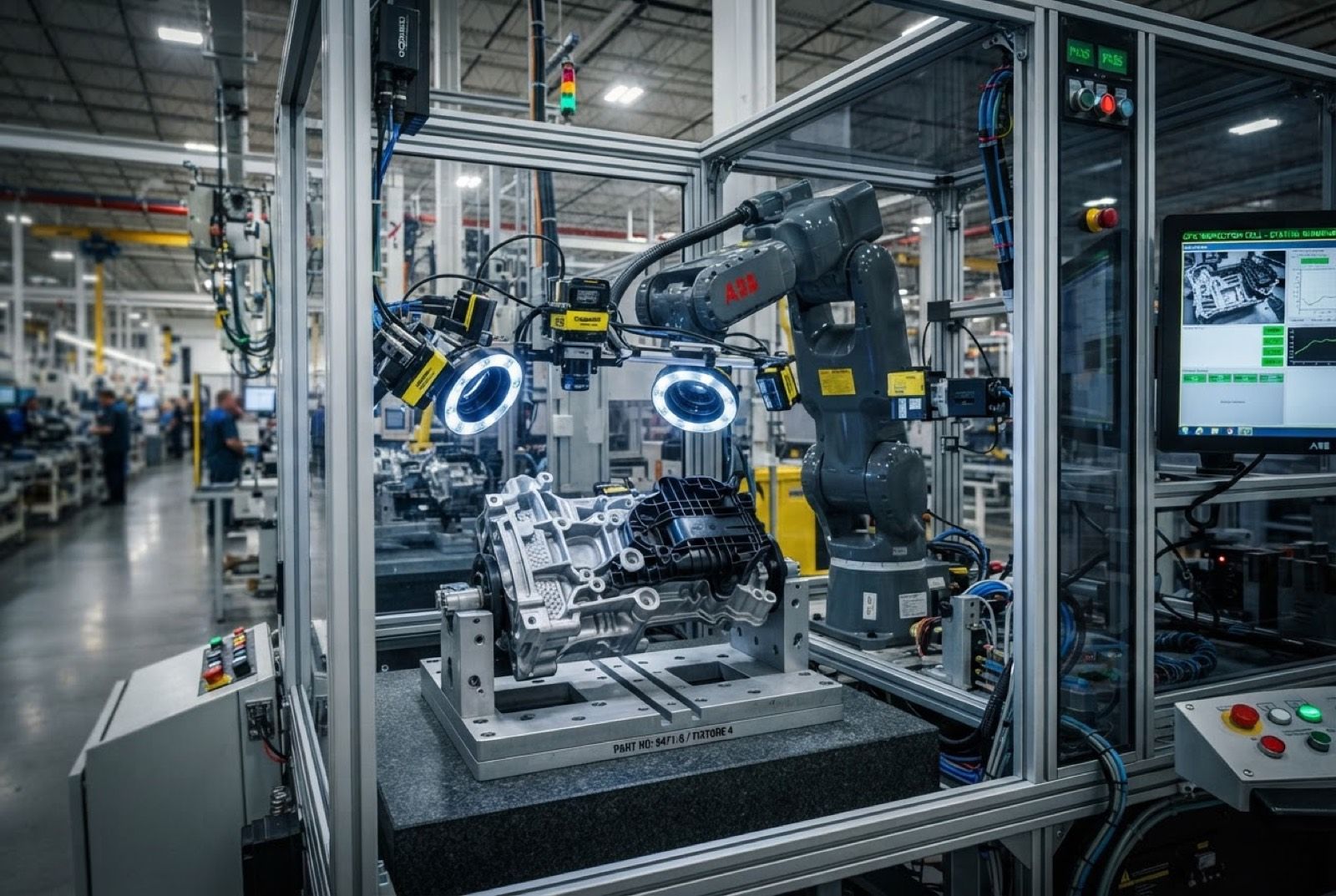
Welding-seam inspection
Packaging
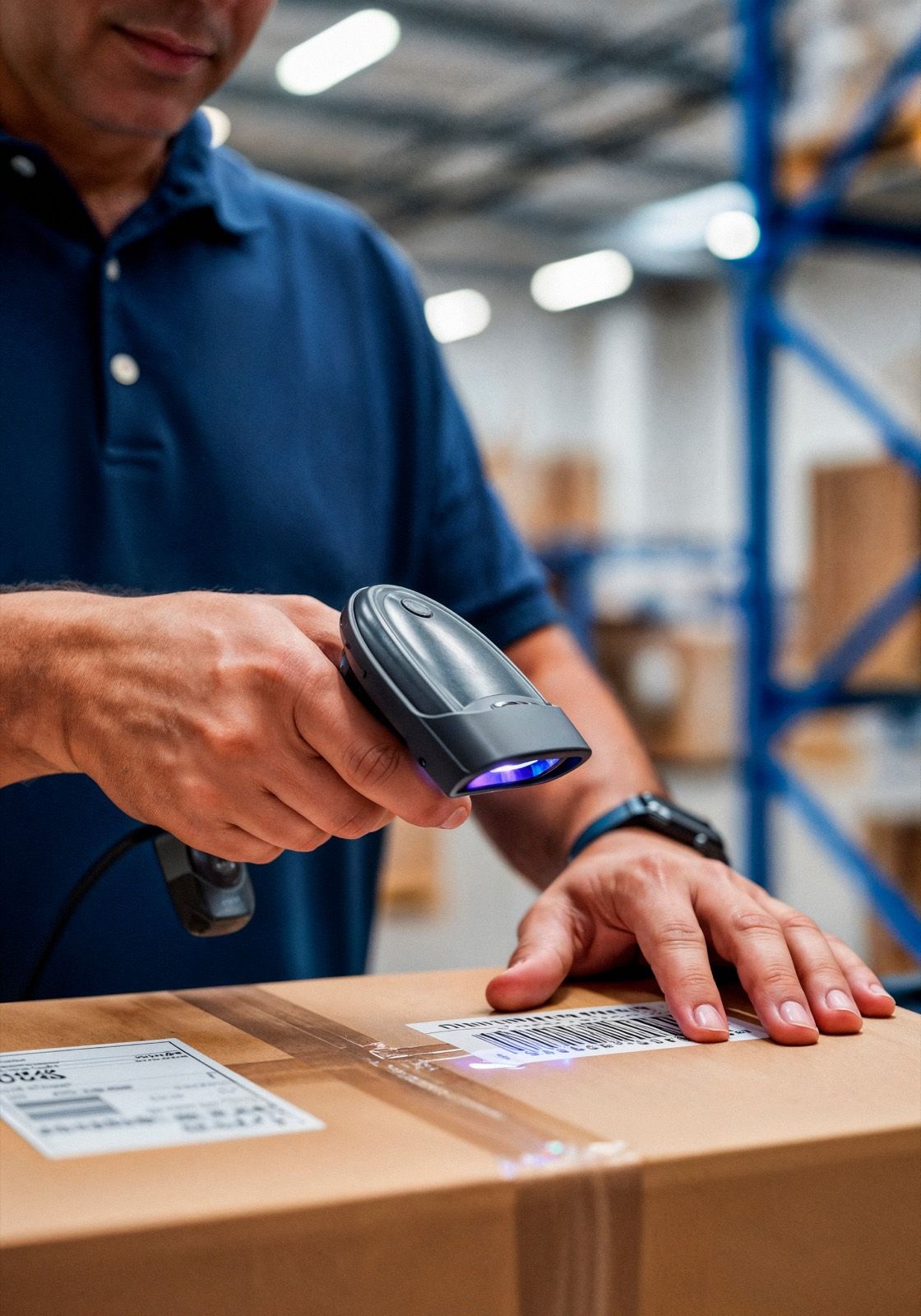
Label checks on incoming parts and completed packages
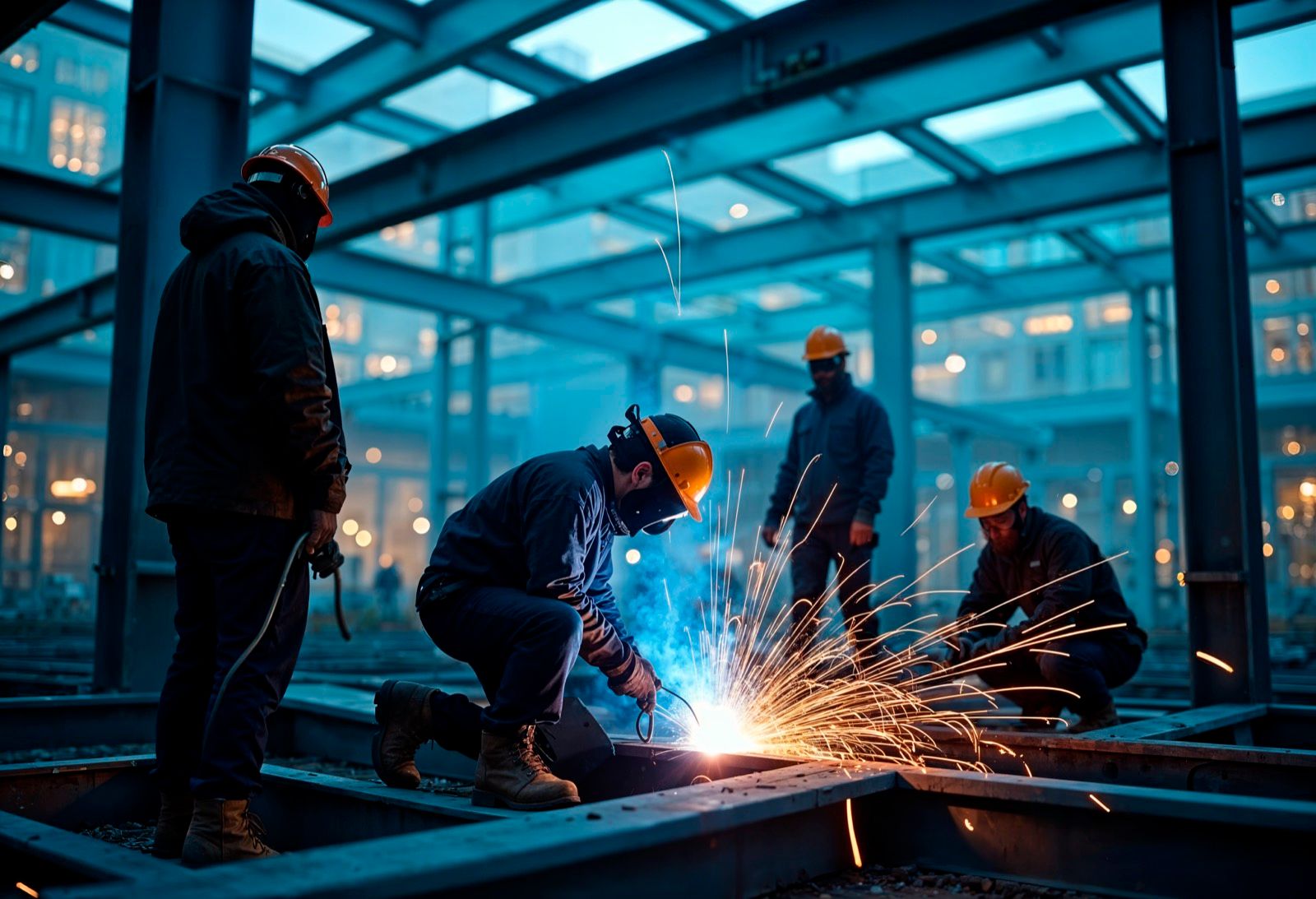
Metal parts and fabrication
Assessing visual inspection, measuring, counting around your parts and process
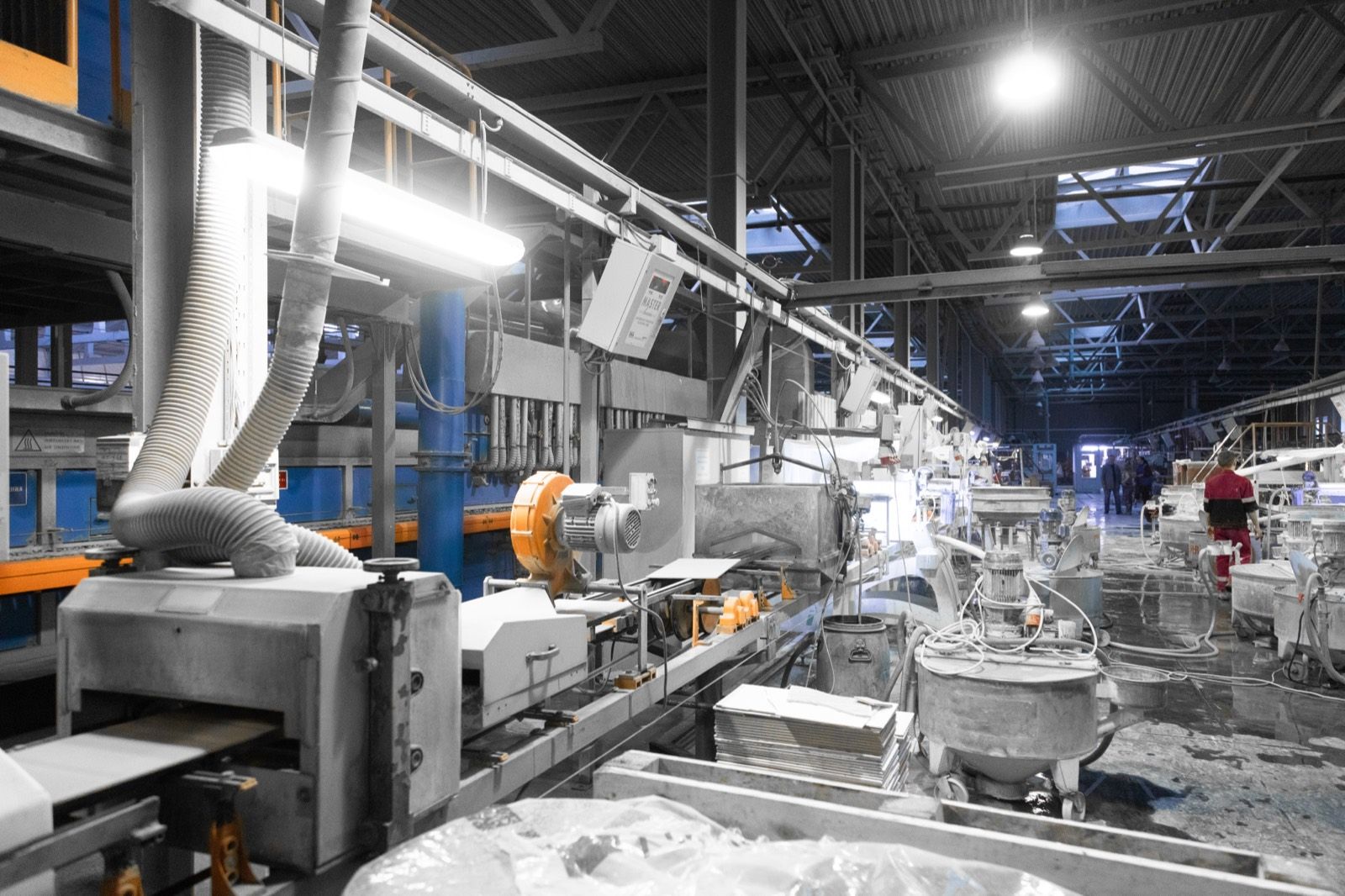
Plastics manufacturing
Assessing visual checks for moulded plastic parts
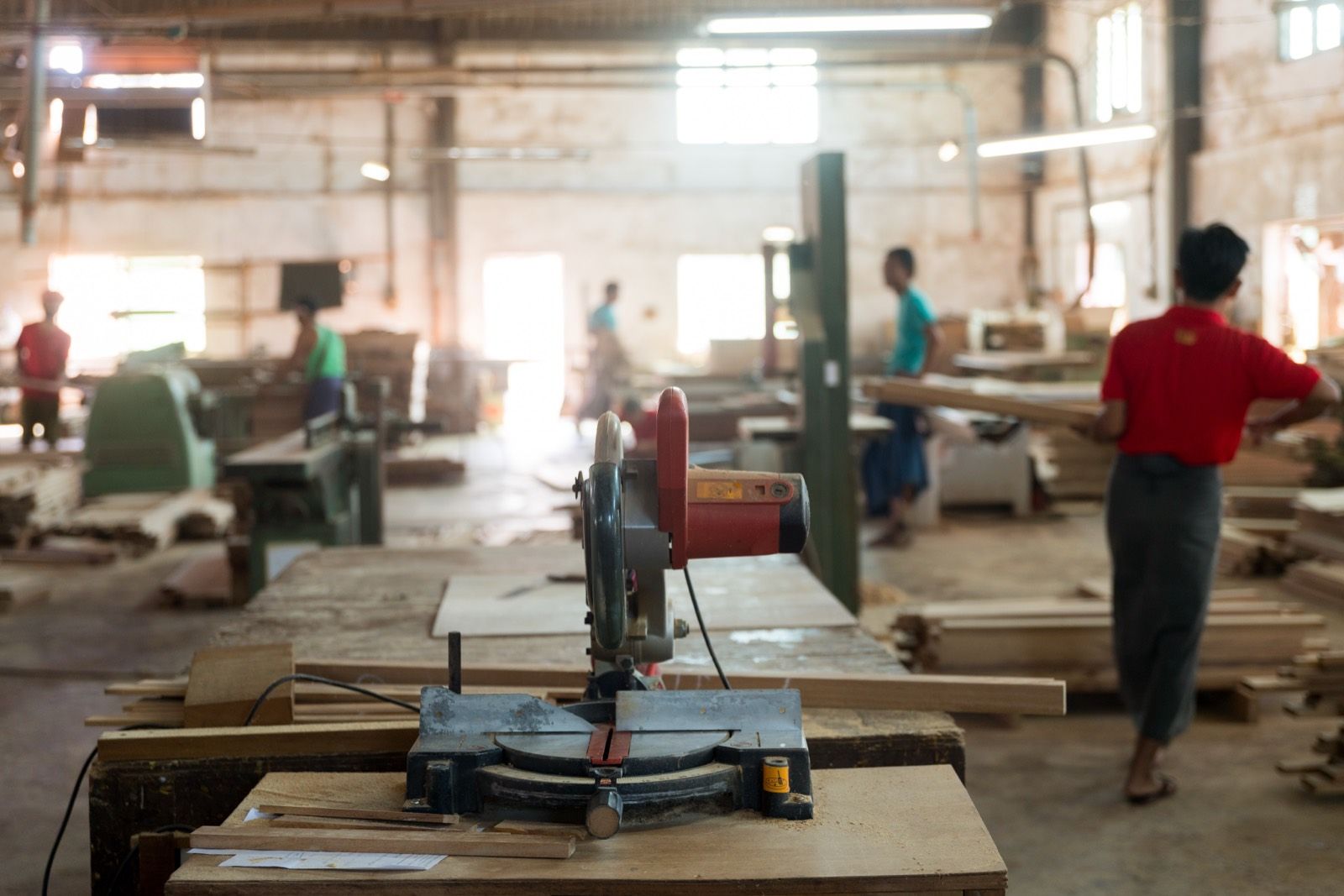
Wood processing
Real-time analysis of wood material and products
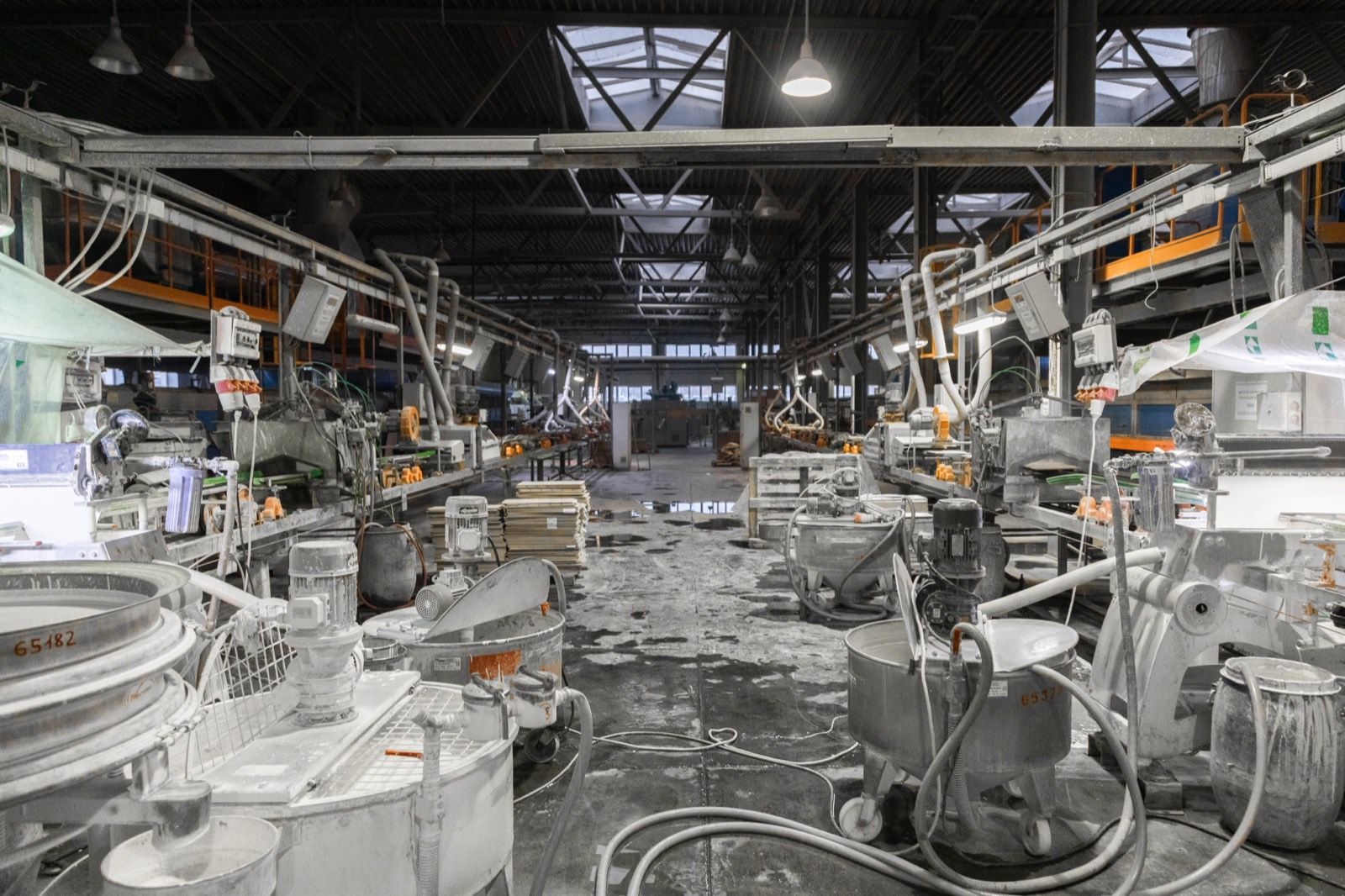
Recycling
On-site analysis of recycled materials
Experience
Our work
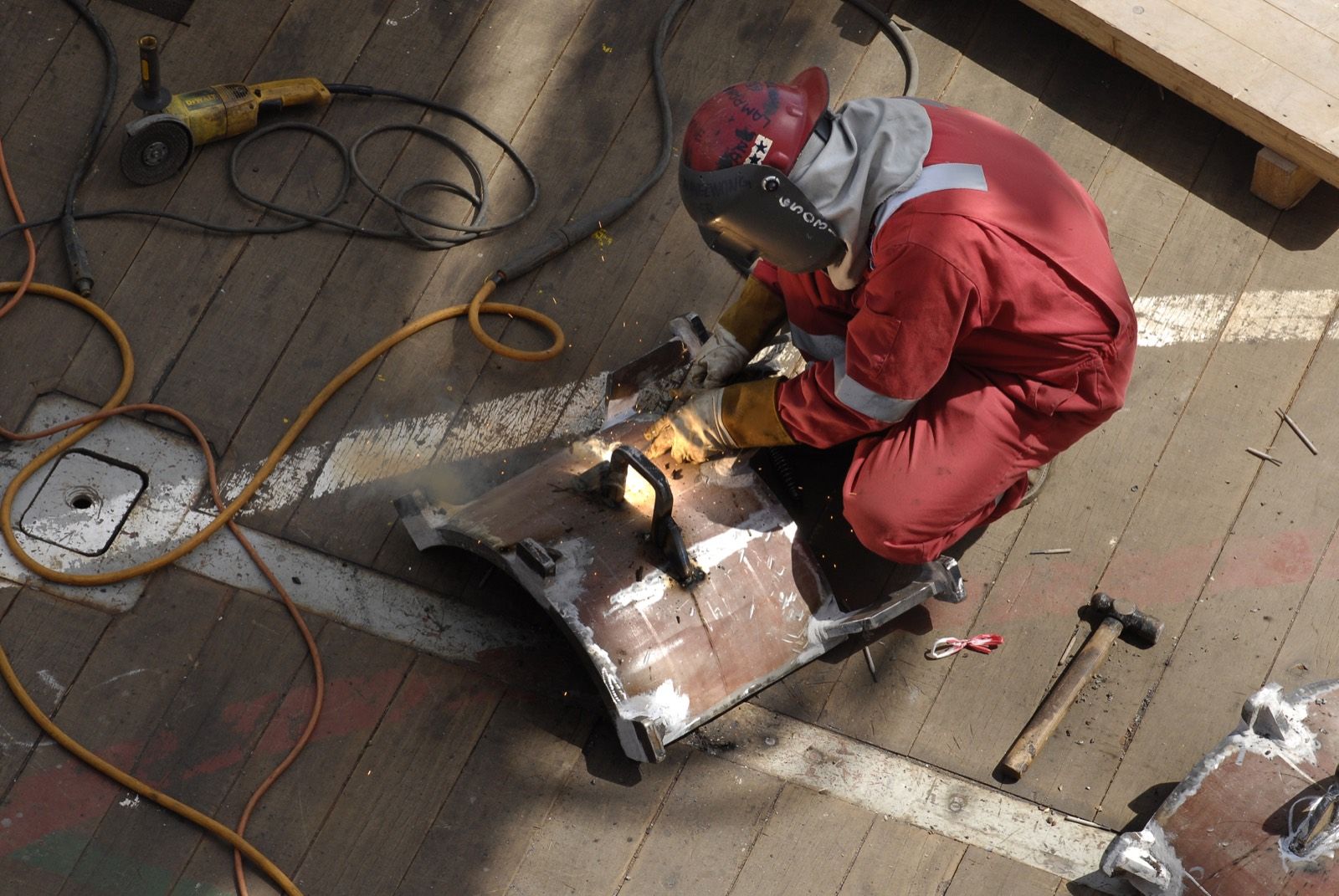
Automotive
Welding-seam inspection
Our team provides an AI inspection system for a major globally operating automotive supplier. The system is used in multiple factories in Europe.
Development, support & maintenance
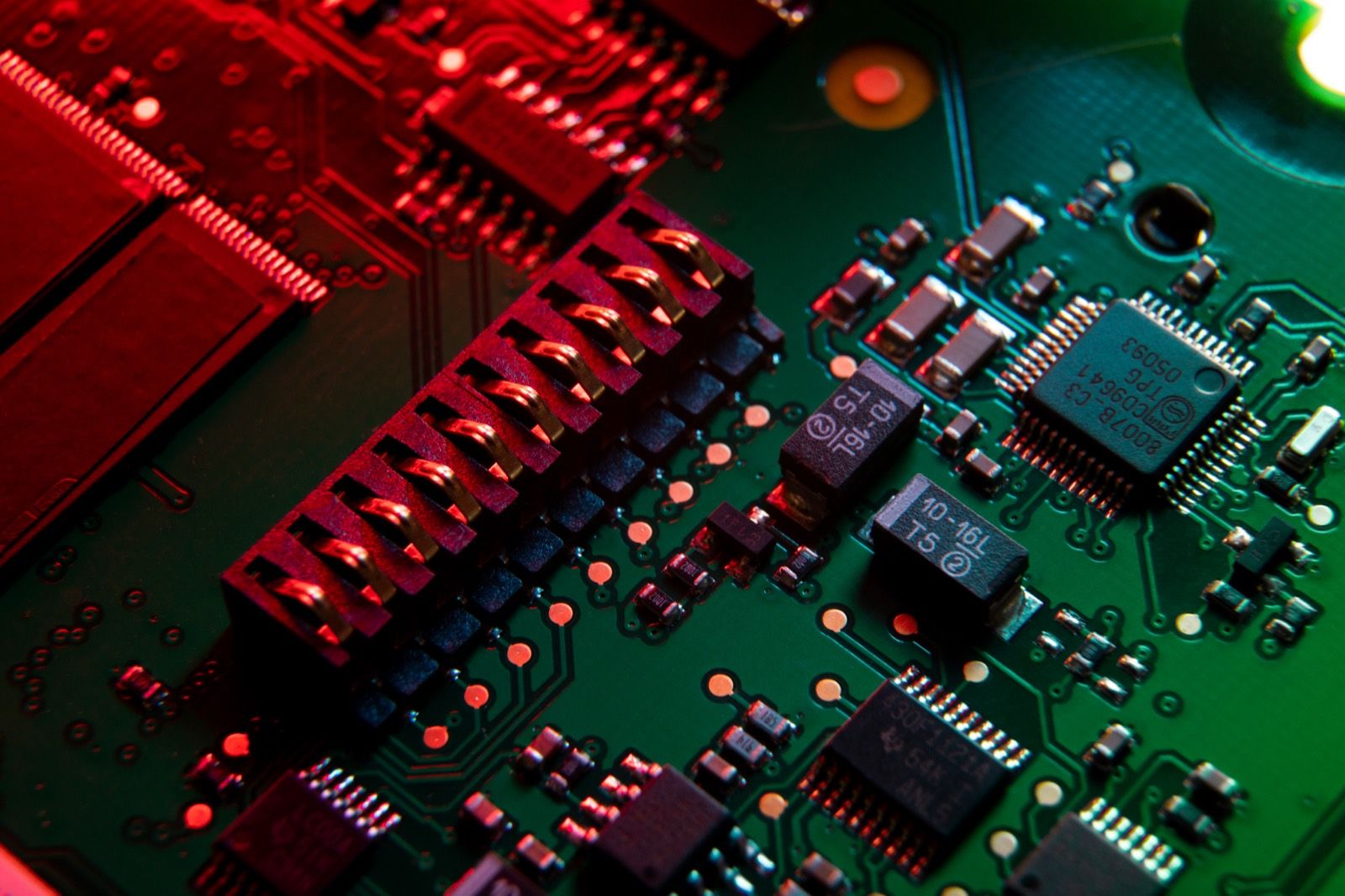
Electronics manufacturing
Visual inspection for high-mix production
A leading international electronics manufacturing services company is implementing Tekai’s AI visual inspection for a changing product mix.
Implementation to production
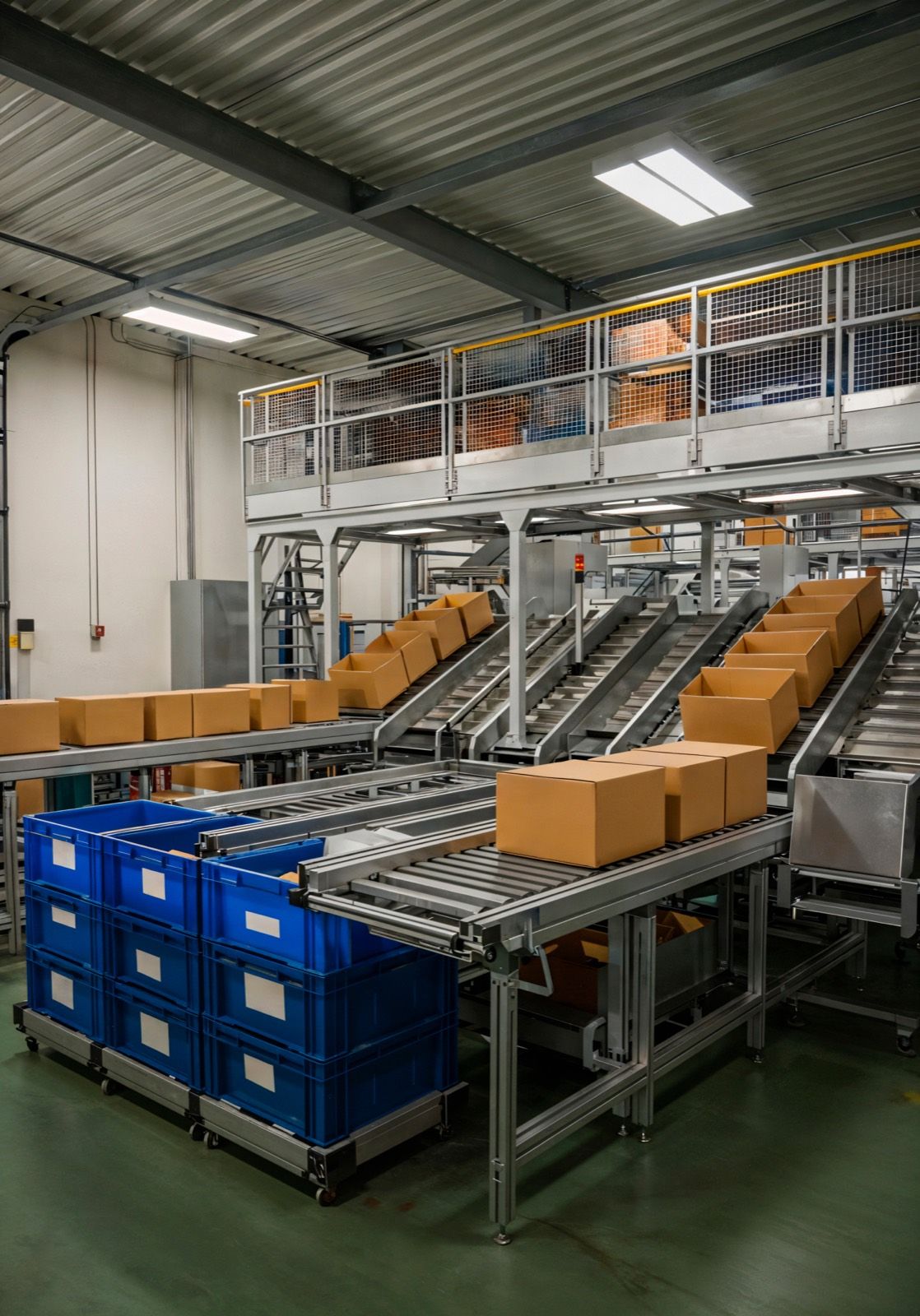
Packaging
Label inspection for product packaging lines
A global bioproducts manufacturer is implementing Tekai’s AI visual inspection to check product labels, with a setup designed to scale effectively to multiple lines and sites.
Implementation to production
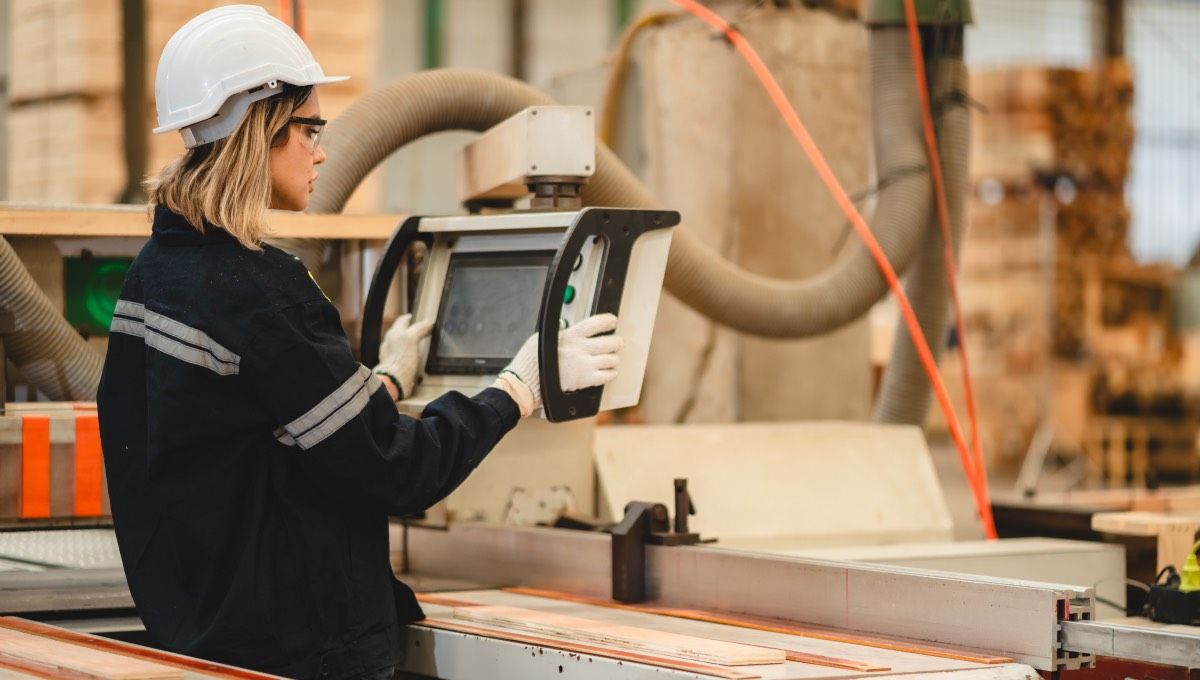
Wood processing
Business optimization
Tekai team is providing support & maintenance and development services for a leading global forestry company. The solution is used to optimize the use of raw material in their sawn timber business.
Development, support & maintenance
The team behind Tekai
Where data science meets industrial engineering
We apply our unique AI-technology approach, based on our own computer-vision models, image processing and foundation models, to automate demanding inspection problems. Our core technology grew out of AISA, a Nokia-led research project funded by Business Finland. Today, we take the technology further together with our customers and through continuous research on AI and computer vision technologies.
FAQ
Frequently Asked Questions
If your question is line-specific, book an assessment and bring a few example parts.
How can we expand to more production lines?
We build on your first implementation as you expand. For a similar process, we install the required cameras and check image quality before extending the AI visual inspection system. Expanding to a different process follows a streamlined approach, with optimized steps for additional data collection, implementation, and validation.
Can our team add new products?
Yes. Once your visual inspection application is set up for your process, your administrators can register and activate similar products and variants in minutes, without retraining. New product categories require only limited, targeted retraining, while new processes or inspection requirements may need further implementation and validation.
Request an assessment
Tell us what you need to inspect
Tell us about your process, your quality challenges, and your targets. We’ll discuss whether Tekai fits your production environment.
What happens next
- 01An initial discussion of your inspection task.
- 02A factory visit or a longer second online meeting to understand your process.
- 03A written validation proposal with scope, schedule, and pricing, if there’s a fit.